Biodiversity, carbon, and strategic planning · Salta, Argentina
We work with corporations, governments, and organizations to make the territory’s most complex projects viable.
We build on your teams’ experience and years of technical studies to support the decisions your project depends on. We anticipate what IFC, IRMA, or carbon standards will require of you and structure the capital architecture needed to sustain your long-term impact.
We work with
- IFC Performance Standards
- IRMA
- Verra
- Plan Vivo
- Gold Standard
- CAR
- Conservation Standards
Strategic solutions for each sector
-
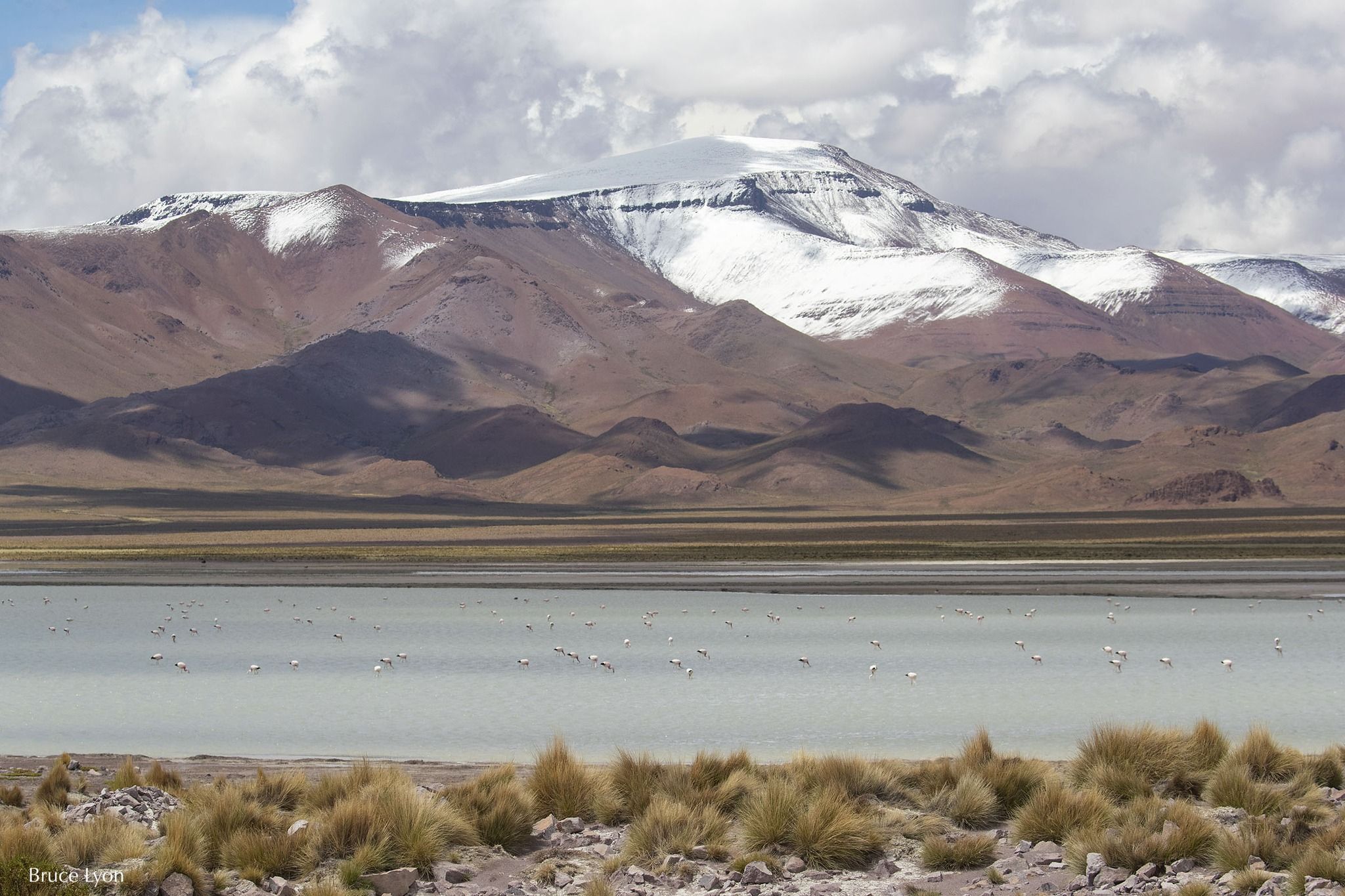
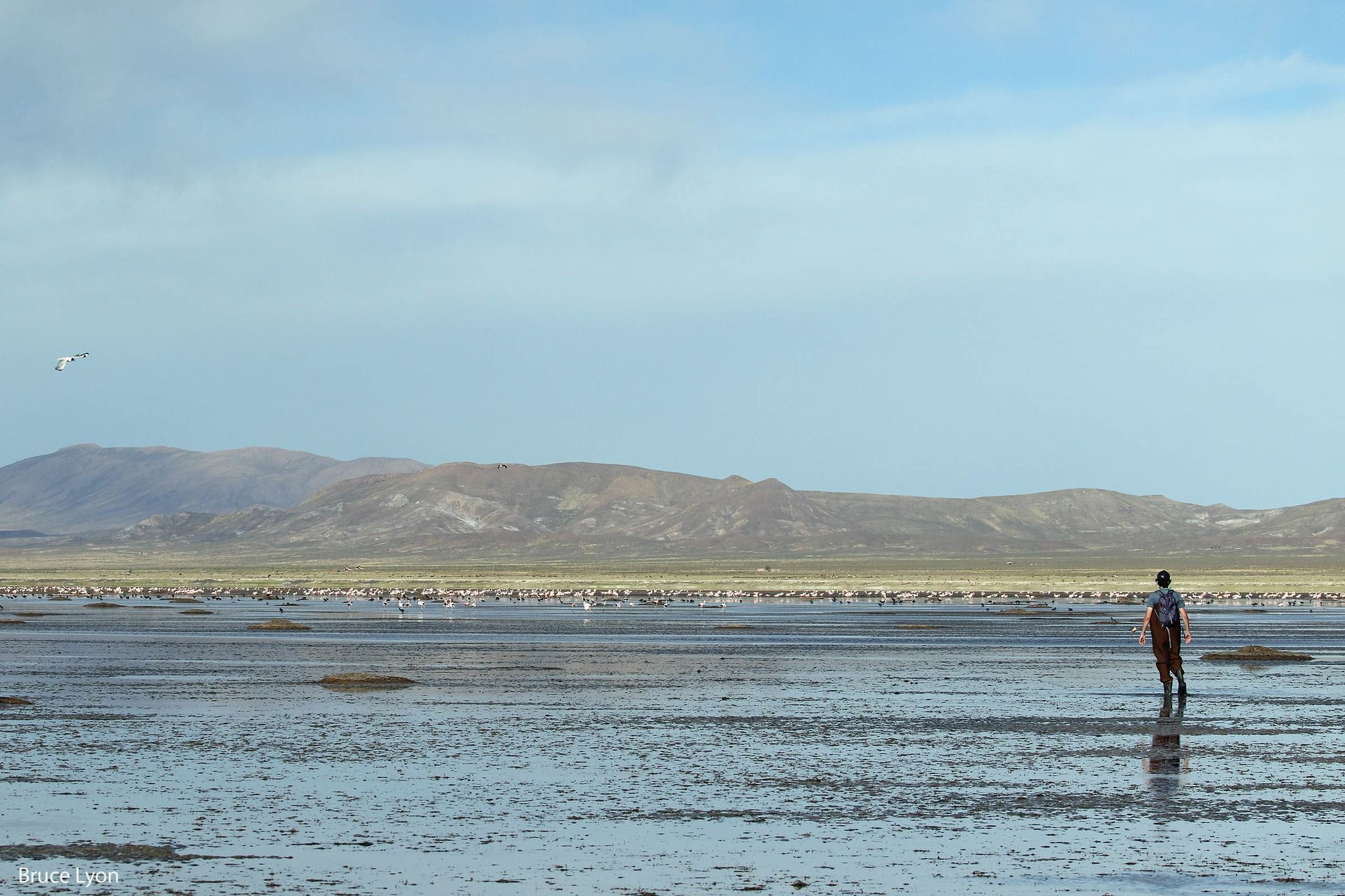
High Andean lagoon with flamingos · Photo: Bruce Lyon
Mining
Audit-ready environmental and social compliance (IFC and IRMA)
Your operation has already invested in baselines, impact assessments, and stakeholder engagement. When monitoring records a change, such as a drop in the vigor of high-altitude meadows, we compare those data against control sites to separate what the climate explains from what the operation explains. With that evidence, your team decides whether restoration or offset measures are warranted, and at what scale.
Solutions for mining -
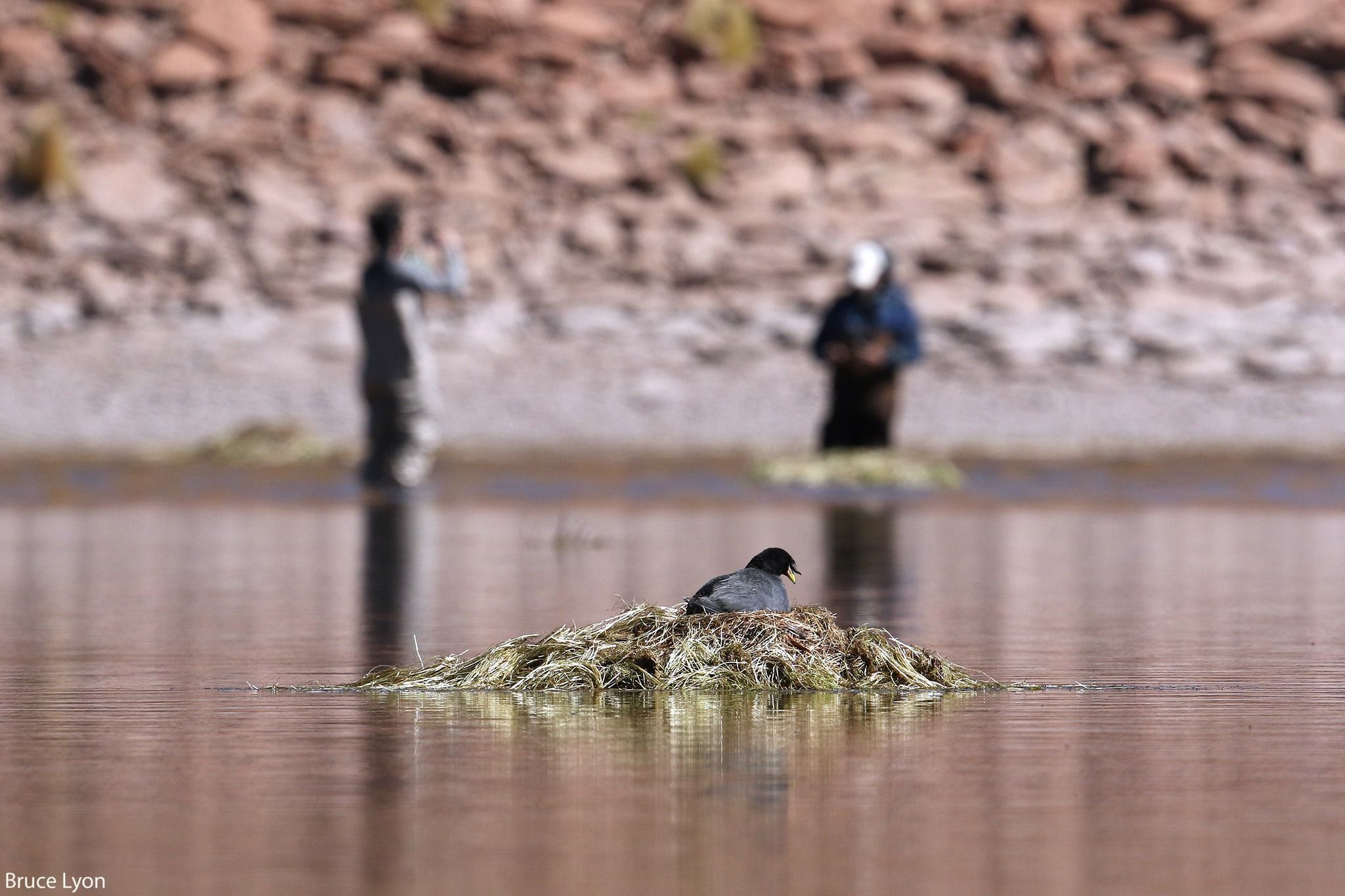
Horned coot in its nest; behind, researchers check other nests · Photo: Bruce Lyon
Conservation and development programs
Tactical implementation and territorial scaling
Your strategy is already defined. We build the roadmap to carry it out on the ground: which actions to fund first, with which partners, and against which metrics. We set up a rapid learning cycle that shows your network which tactics to scale and which to adjust before the next budget is committed.
Solutions for conservation -
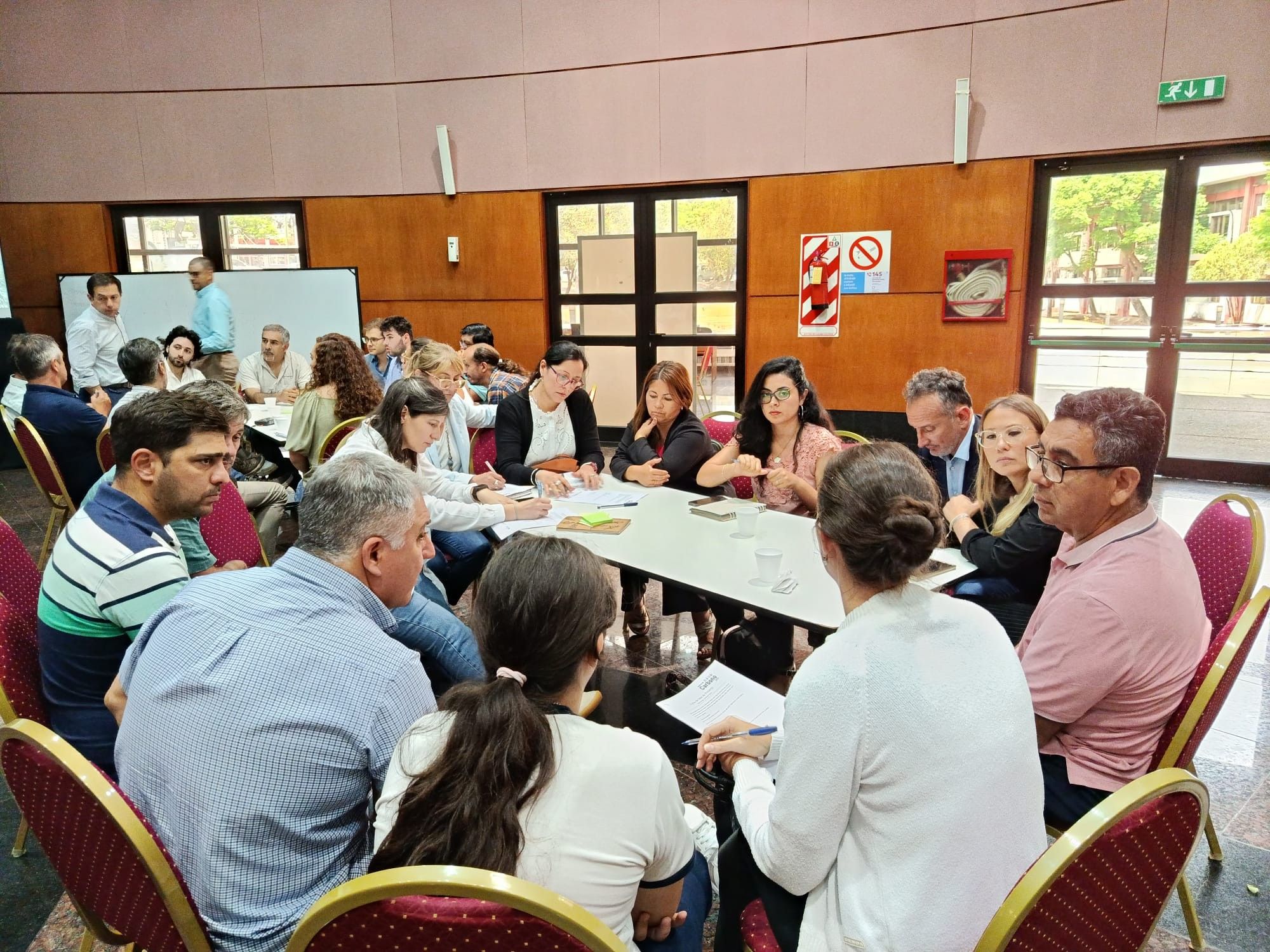
Planning session with maps
Governments
Evidence-anchored public policies and roadmaps
Your technical departments hold valuable data capital. We systematize it into roadmaps that set where to prioritize public investment and which programs to put forward for multilateral financing. Every decision is documented with its evidence to sustain institutional continuity beyond each administration.
Roadmaps for governments -
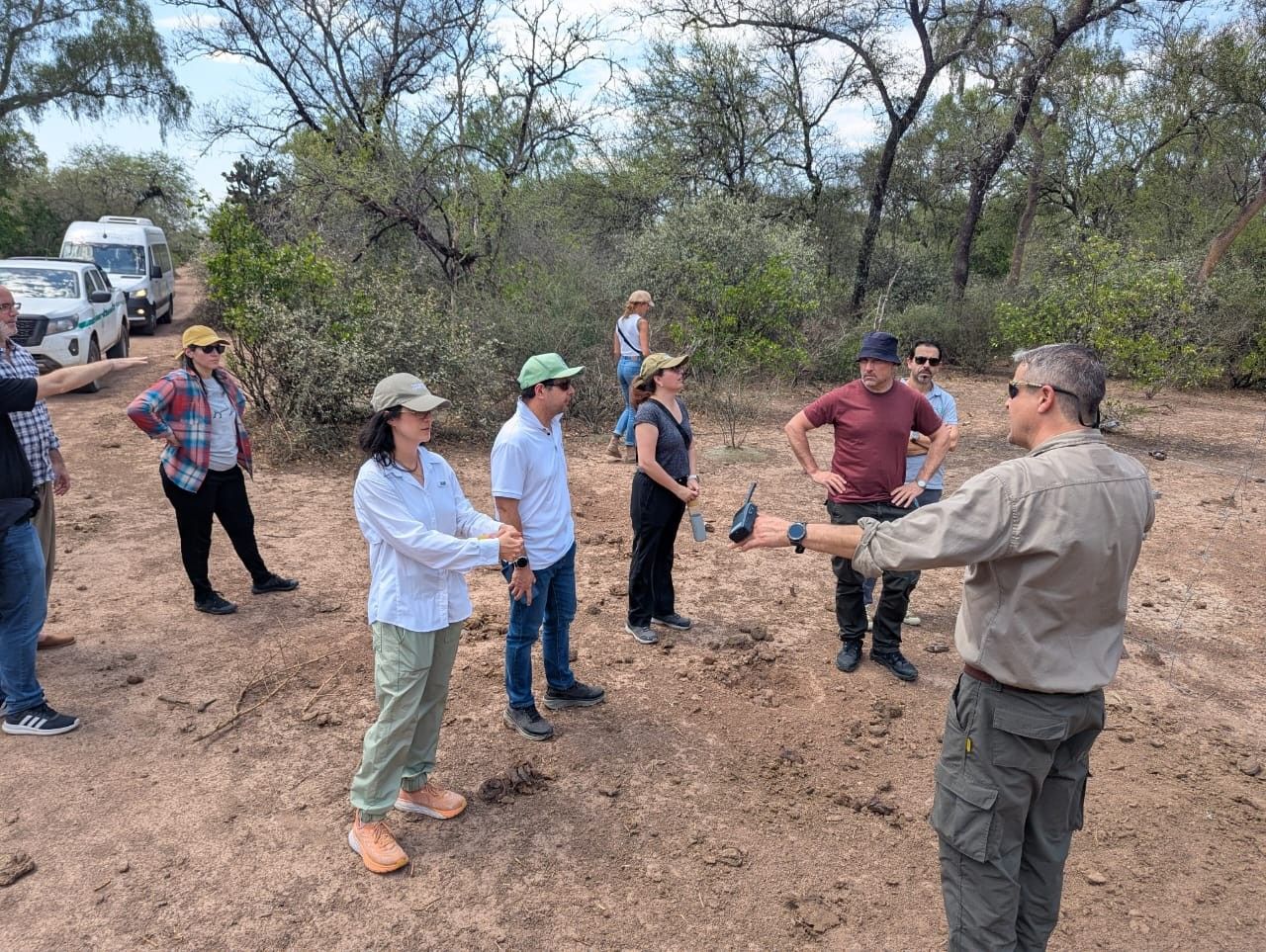
Field tour in the forest
Agri and carbon
Feasibility study and Project Design Documents (PDD)
Your organization owns land, forest inventories, or agricultural projects. Before you invest in measurement or sign a long-term credit sales contract, we assess which standard and methodology are viable for your land and what obligations each purchase offer carries. We then turn that base into audit-ready carbon assets (Verra, Plan Vivo, Gold Standard, CAR), backing title and methodological compliance.
Solutions for carbon
Our rigorous methodology
Synthesizing years of technical studies into an audit-ready roadmap demands precision. We guide your organization through a structured process.
-
01 What you already have
Evidence Audit
You receive: An inventory of your evidence, the risks ranked by priority, and, for every missing data point, what to measure, where, and with what method.
-
02 What you need
The Structured Plan
You receive: The detailed plan, assigning a responsible party, resources, and precise progress metrics to every action.
-
03 What keeps working
Institutional Intelligence System
You receive: The knowledge base in Compass, fully included in our service.
-
01 Evidence Audit
We critically evaluate the studies, monitoring data, and reports your organization has already produced. We pinpoint which data are usable, which technical gaps must be closed, and which risks could delay an approval or a disbursement. The diagnostic has a fixed scope and timeline.
-
02 The Structured Plan
Alongside your team, we build the master document ready for operational execution and third-party validation.
-
03 Institutional Intelligence System
We deliver the plan and its backing evidence consolidated into a living knowledge base. Your team retains control of the information to substantiate every future review and decision.
ITÍN develops the plans and does not participate in their validation, verification, or auditing.
Request a meetingCompass: your organization’s knowledge capital
In Compass, every claim in the plan is linked to its source study, monitoring dataset, or report. When a new dataset arrives, Compass flags which sections of the document require adjustment, ensuring your plan evolves without starting from scratch at every review.
Transparency note: Compass uses artificial intelligence to search and cite your organization’s documents and to prepare drafts. A senior ITÍN professional reviews and signs off on every deliverable.
Data and confidentiality01 · The alert
Monitoring alert · summer 2026Threshold reached
Line of the project’s meadow vigor from 2018 to 2026: it ends at 88% of baseline, with the summers of 2025 and 2026 below the threshold of 90.
Biodiversity Action Plan · Section 5Two summers in a row at 10% or more below baseline: restoring the affected area is assessed.
Your team’s querySent
Meadow vigor fell 12%. Should we trigger restoration, and at what scale?
What is at stake
If the decline is site-specific
The plan calls for restoration: works, budget, and a target reported every summer.
If climate is the cause
Works cannot reverse a climate effect. A target that includes it depends on rainfall.
02 · The cause
Summer meadow vigor · % of each site’s baseline
Chart of summer meadow vigor from 2018 to 2026 as a percentage of each site’s baseline. In the dry summer of 2020 both sites fall. From 2024 the project separates from the control meadows: in 2026 the project stands at 88 and the control at 97.
CompassCross-checking 4 of 12 project documentsComparing with the control meadowsDrafting the answerAnswer with 4 cited sources
Of the 12 points of decline, 3 come from climate and 9 are specific to the site.
In the 2020 drought both sites fell together: they respond the same way to climate. This summer the control meadows fell 3% and the project 12%. The gap opened in 2024 and now stands at 9 points.
03 · The decision
CompassDrafting Section 5Draft ready for review
MA-PL-014 · Biodiversity Action Plan
5. Meadows
Rev. 0 · in forceRev. 1 · Compass draft
Threshold: two summers in a row at 10% or more below baseline. Reached in 2026.
- 1 · Avoid Exclusion zone around the meadows. in force
- 2 · Minimize Access road moved 300 m from the meadow. done
- 3 · Restore Affected area, if the decline is site-specific.Trigger in the plots with a site-specific decline. Target: recover the 9 points over three summers. The 3 climate points are documented and stay under monitoring. plannedproposed
- 4 · Offset Residual impact only. unchanged
- Decides
- Your organization’s environmental team, within 60 days.
- Next measurement
- Summer 2027.
- Reviews and signs
- A senior ITÍN professional.
Sources in this example
Cited sources
Tap an underlined figure to see its source.
Source · −12%
Monitoring campaign, summer 2026
Project monitoring team, table 3, p. 14
“Meadow vigor: 88% of the 2018 to 2021 baseline.”
Source · 10%
Biodiversity Action Plan, Rev. 0, 2022
Environmental team, Section 5, p. 22
“Restoration threshold: two summers in a row at 10% or more below baseline.”
Source · −3%
Control meadows, neighboring basin, 2026
University remote sensing team, table 2, p. 8
“Same satellite index since 2018: 97% of baseline.”
Source · 2020
Rainfall record, 2018 to 2026
Regional weather station, annex 1
“Summer 2020: 41% of the period’s average rainfall.”
Source · 9 points
Compass calculation
From table 3 of the monitoring campaign and table 2 of the control meadows
“Project −12% against control −3%, summer 2026.”
The value of centralizing your strategic intelligence
Synthesizing years of work into a queryable system is not an administrative task. It is the key to decentralizing execution, bulletproofing audits, and accelerating on-the-ground impact.
-
Institutional Resilience
Your strategy no longer depends on a single specialist’s memory. Any team member can consult the baseline evidence to substantiate proposals and make aligned, autonomous decisions.
-
Agility in Critical Scenarios
Facing budget cuts or shifting contexts, the system allows you to evaluate in minutes which action lines to adjust without compromising your primary objectives or international commitments.
-
Zero-Friction Alignment
External consultants, auditors, or visiting teams can interact with your project’s evidence before the first meeting, saving weeks of onboarding and preparation.
-
Active Audit Defense (Mining & Carbon)
Facing scrutiny from the IFC, IRMA, or carbon validators (VVBs), your team can trace the exact origin of every metric in real time, drastically shortening approval and disbursement timelines.
Multidisciplinary Leadership and Global Network
Convergence of ecological sciences, corporate legal structuring, and international human rights standards. This technical core is reinforced by an active network of top-tier specialists across Latin America, allowing us to scale teams to the exact complexity of each project.
-

Mauricio Núñez-Regueiro
Founder and CEO
PhD in Interdisciplinary Ecology from the University of Florida. A former career scientist at CONICET, Argentina’s national research council, and a World Bank consultant, he directed The Nature Conservancy’s Gran Chaco program in Argentina, Paraguay and Bolivia. Specialist in the mitigation hierarchy and offsets under international standards. At ITÍN, he leads compliance strategies, operational plans, and the consolidation of scientific evidence.
-

Héctor Cornejo D’Andrea
Corporate and Legal Structuring
Corporate lawyer with solid practice in business, labor, and preventive environmental law. He audits asset ownership and mitigates each project’s corporate compliance risks. He designs tailored corporate vehicles (SPVs and trusts) that provide long-term fiduciary soundness for investors and multilateral institutions. At ITÍN, he leads the legal and corporate architecture of every project.
-
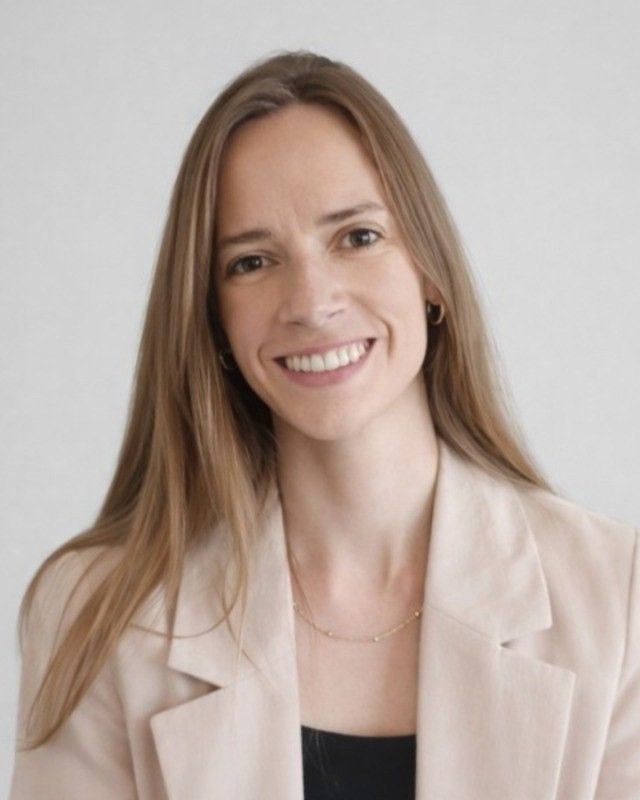
Cecilia Leake
Human Rights and Community Relations
Master’s in Governance and Human Rights from the Universidad Autónoma de Madrid. She researched socio-environmental conflict resolution for the OAS Office of the Ombudsperson. Specialist in social safeguards, land tenure, and Free, Prior and Informed Consent (FPIC) with Indigenous Peoples. At ITÍN, she leads social risk management under IFC Performance Standards 5 and 7 and IRMA’s social chapters.
Rule of independence
Before commencing any engagement, we declare any potential conflict of interest in writing.
Frequently asked questions
How are fees determined?
After the initial meeting, we send a proposal for the initial evidence audit with a fixed scope, timeline, and fee. This stage’s cost is deducted from implementation if you proceed within the established timeframe. With the diagnostic in hand, you have full control over the next steps.
What happens if technical studies are missing?
Our initial audit identifies missing information with surgical precision. We specify what to measure, where, and how, ensuring your next field campaign generates the exact data required by the auditor or validator.
Do you work with the consulting firm we already hired?
Yes. Your consultants execute the field surveys. We integrate their reports into a cohesive strategic plan, bulletproofing the traceability of every data point with its corresponding source and date.
Do you participate in the plan’s validation or audit?
No. To guarantee absolute transparency, those reviews are conducted by independent third parties (financial consultants, IRMA auditors, or carbon standard validators). ITÍN designs the strategy and organizes the evidence those third parties will evaluate.
In what language do you deliver?
In Spanish, English, or bilingual. We use the exact technical terminology of each standard, facilitating comprehension for both your local teams and international reviewers.
Who owns the data?
Data and evidence are the exclusive property of your organization. Depending on your security protocols, Compass can operate in closed, on-premise environments without exposing information to external servers. Confidentiality parameters are ironclad by contract.
How to start
A forty-minute meeting
We assess your organization’s required compliance level and determine if an evidence audit is the right tactical step. If it is, we propose a fixed scope, timeline, and fee.
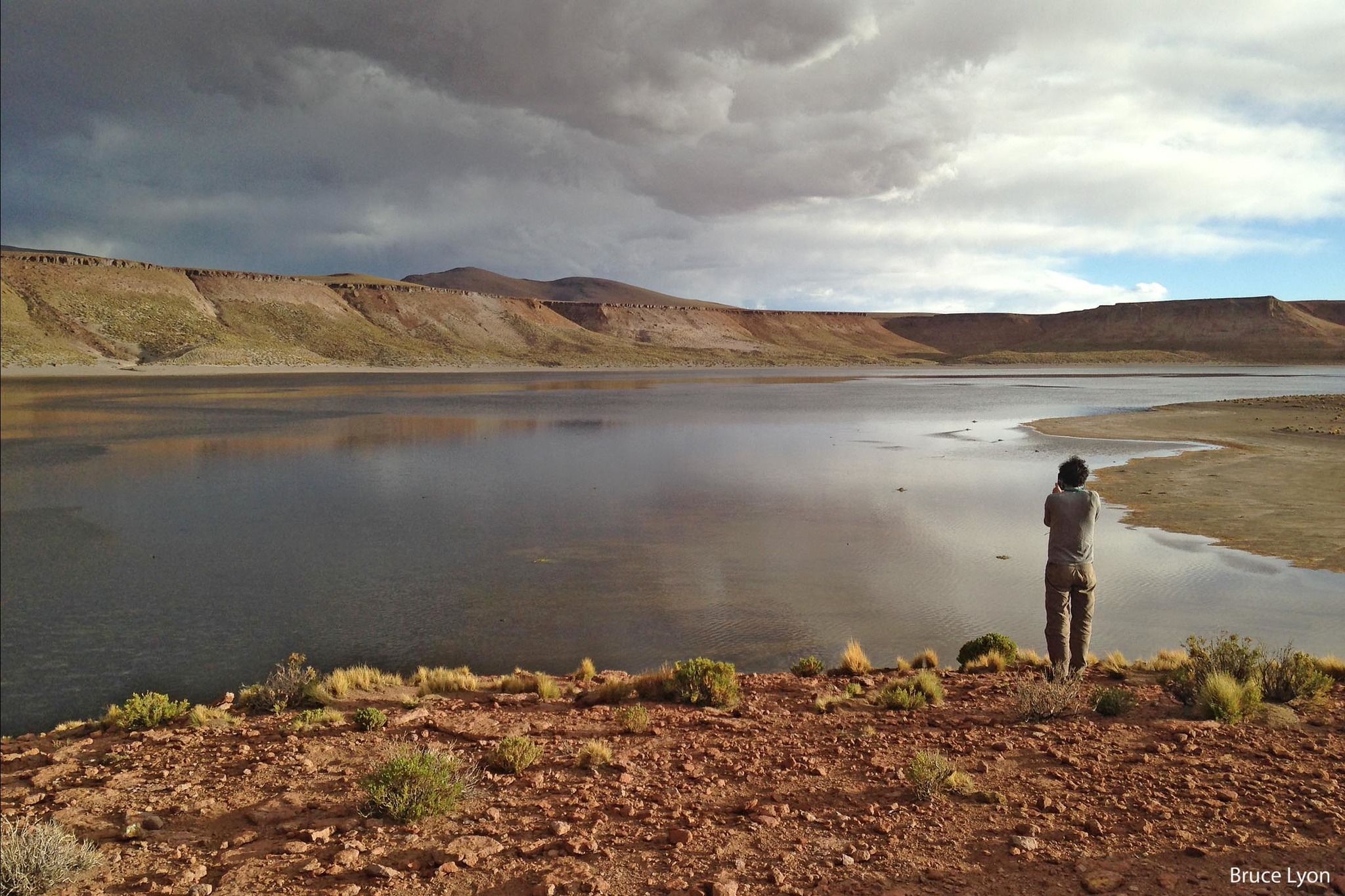
Shore of a high-altitude lagoon · Photo: Bruce Lyon